DOMS: How Long Muscle Soreness Lasts and What Actually Helps
Reviewed by Julien, Owner of Fast & Fit
You did a new class, a long run or your first HYROX simulation, and two days later walking down the stairs hurts. That is DOMS, delayed onset muscle soreness. It is normal, it is temporary, and some recovery methods really do make it easier, while others mostly make you feel busy. Here is what to expect and what to do.
Our take
There is no magic cure for DOMS, and anyone who sells you one is overselling. The honest ranking is: sleep and food first, gentle movement second, then massage-type treatments and compression, then cold water, with heat and red light as comfortable extras. The best "treatment" for DOMS is actually prevention: increase training load gradually and you will rarely get badly sore. When it does happen, pick the treatments that make you feel good enough to keep training, and stop worrying about the rest.
What is DOMS?
DOMS is muscle soreness and stiffness that starts several hours after unaccustomed or very intense exercise. It is linked to small disruptions in muscle fibres and the inflammation and repair that follow, especially after eccentric work, where muscles lengthen under load: running downhill, lowering weights, lunges, jumping and wall balls.
It is not caused by lactic acid. Lactate is cleared within an hour or so after exercise, long before DOMS appears.
How long does muscle soreness last?
- Starts: 12 to 24 hours after the session.
- Peaks: around 24 to 72 hours.
- Fades: usually within 5 to 7 days.
The second time you do the same session, soreness is much smaller. This "repeated bout effect" is why the first week of a new programme always hurts most.
DOMS or injury?
DOMS is a dull, diffuse ache in the muscles you worked, on both sides, that hurts most when you start moving and eases as you warm up. See a doctor or physiotherapist if you notice:
- Sharp or stabbing pain, or pain in one precise spot.
- Swelling, bruising or a joint that is painful or unstable.
- Pain that gets worse after day 3 instead of better.
- Very dark urine and extreme weakness after a brutal session, which can be a sign of rhabdomyolysis and needs urgent medical care.
What helps with DOMS, ranked
1. Sleep and nutrition (strong basics)
Muscle repair happens mostly at rest. Seven to nine hours of sleep, enough protein spread across the day (see how much protein you need to recover) and enough fluids and salt (see hydration in Bangkok heat) are the foundation.
2. Gentle movement
Easy cycling, walking, swimming or mobility work increases blood flow and reduces stiffness for a few hours. It does not speed up repair much, but you will feel better and move better.
3. Massage and compression (good evidence for feeling better)
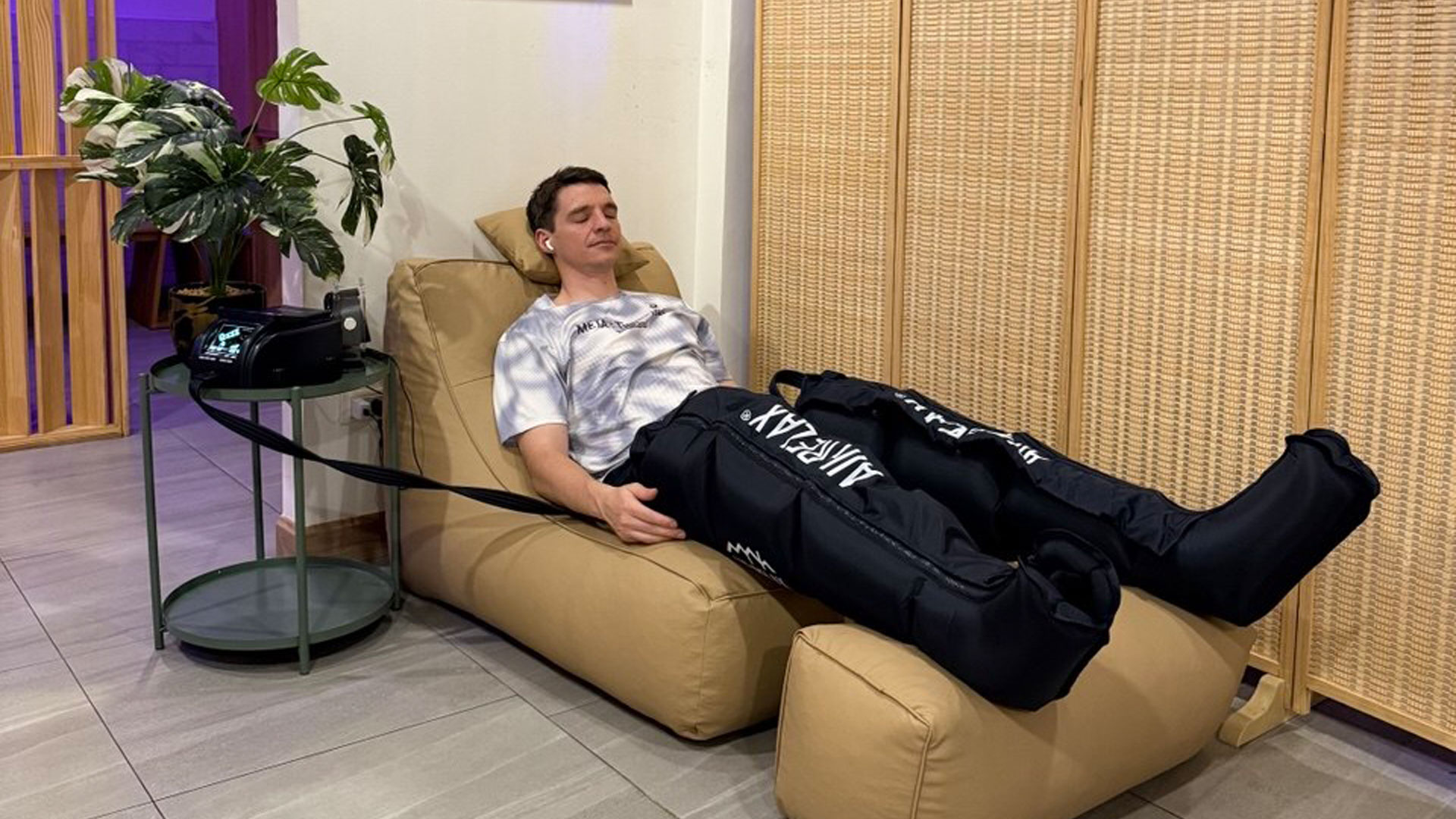
Research reviews have found massage to be one of the most effective methods for reducing perceived soreness and fatigue, with compression garments also helping. Leg compression therapy at our studio uses air chambers that squeeze and release your legs in waves, a passive massage-like effect that runners and HYROX athletes love. Read leg compression after running for how to use it.
4. Cold water immersion (good for the next day)
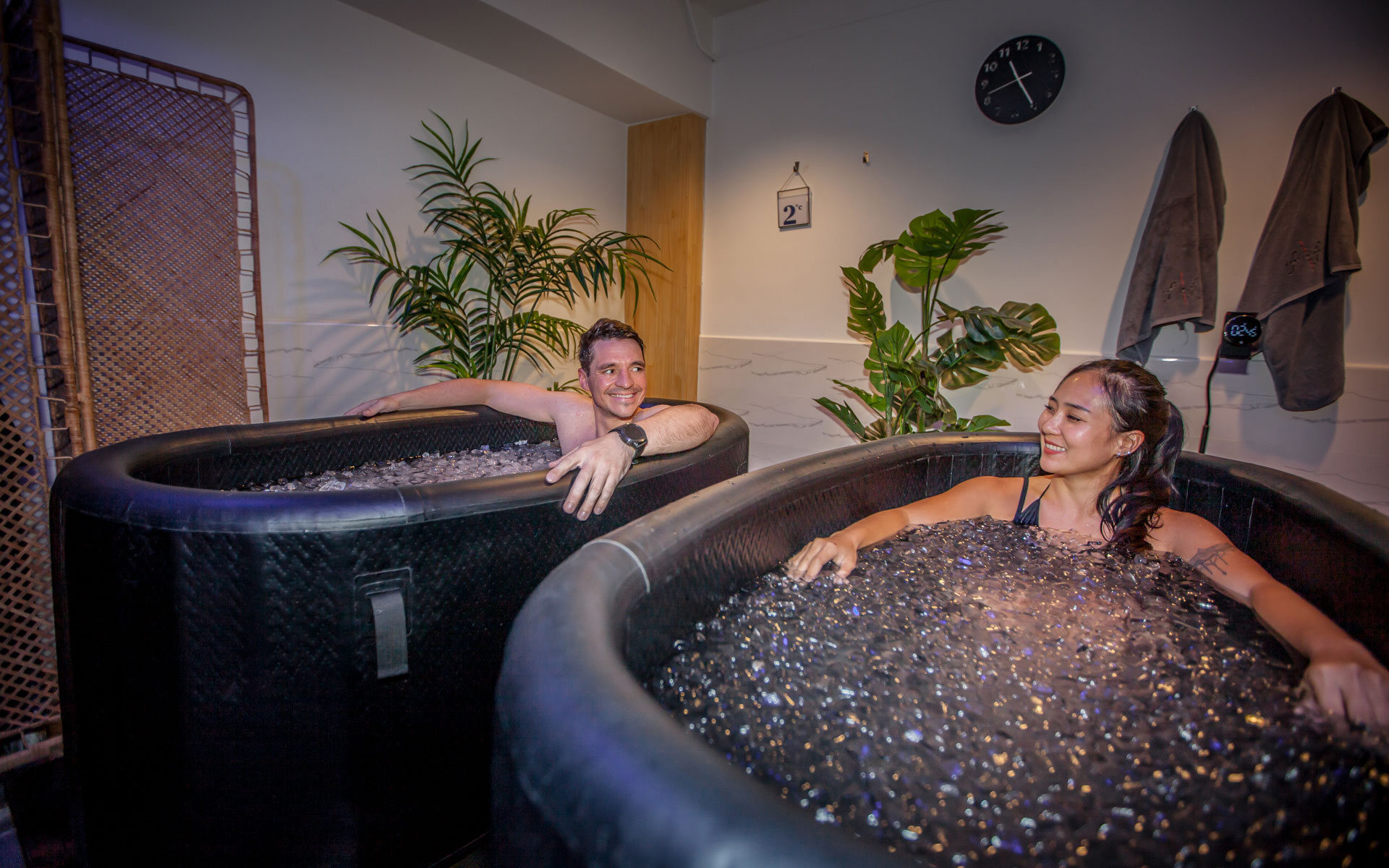
Ice baths reduce perceived soreness in the 24 to 48 hours after hard endurance or team-sport sessions. Keep them away from strength sessions if your goal is muscle growth. See ice bath after a workout: timing, temperature and duration.
5. Heat (comfortable, modest effect)
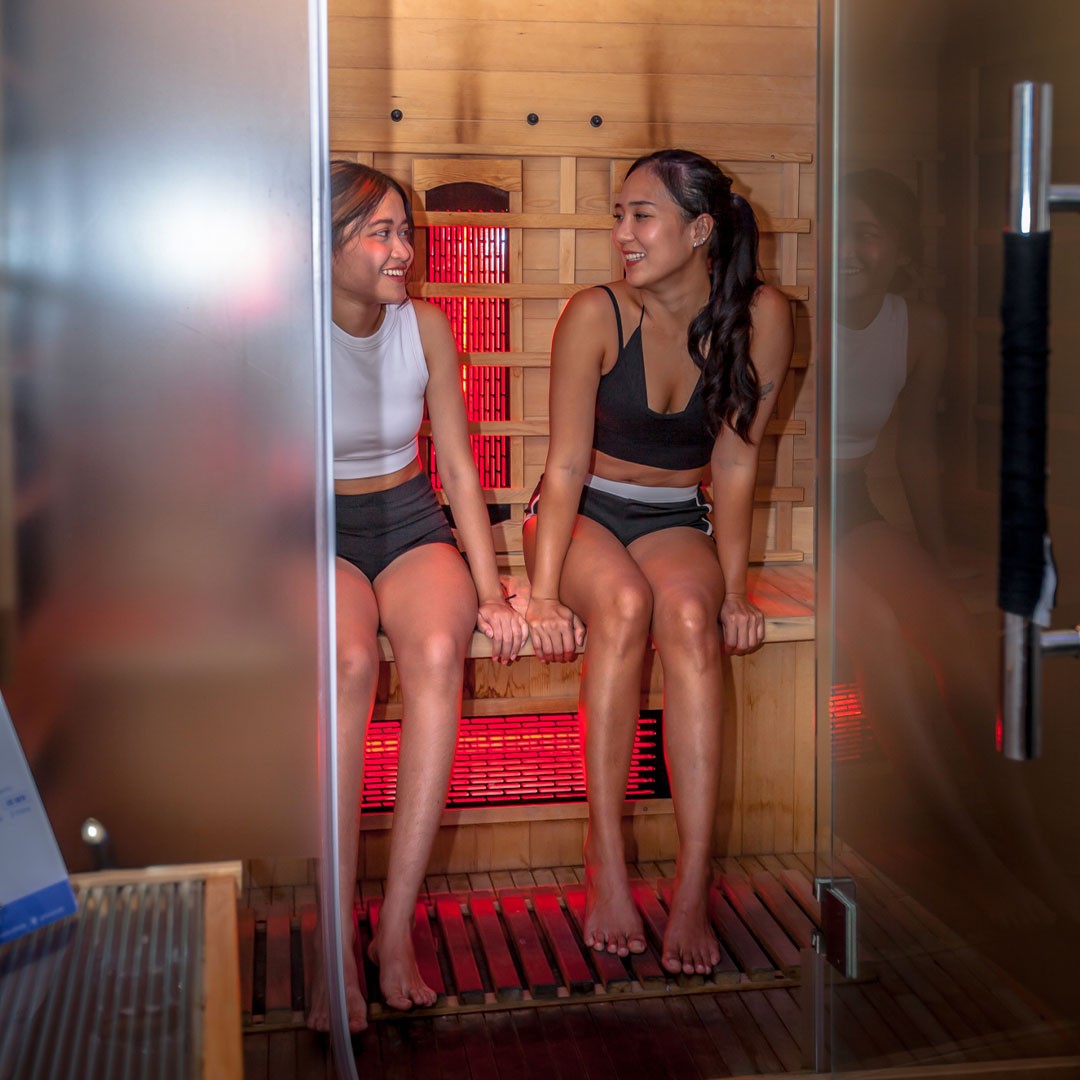
Warmth relaxes tight muscles and feels good, especially from day two. An infrared sauna session is a pleasant option once you are well hydrated. Read sauna after a workout for timing.
6. Cupping and red light (case by case)
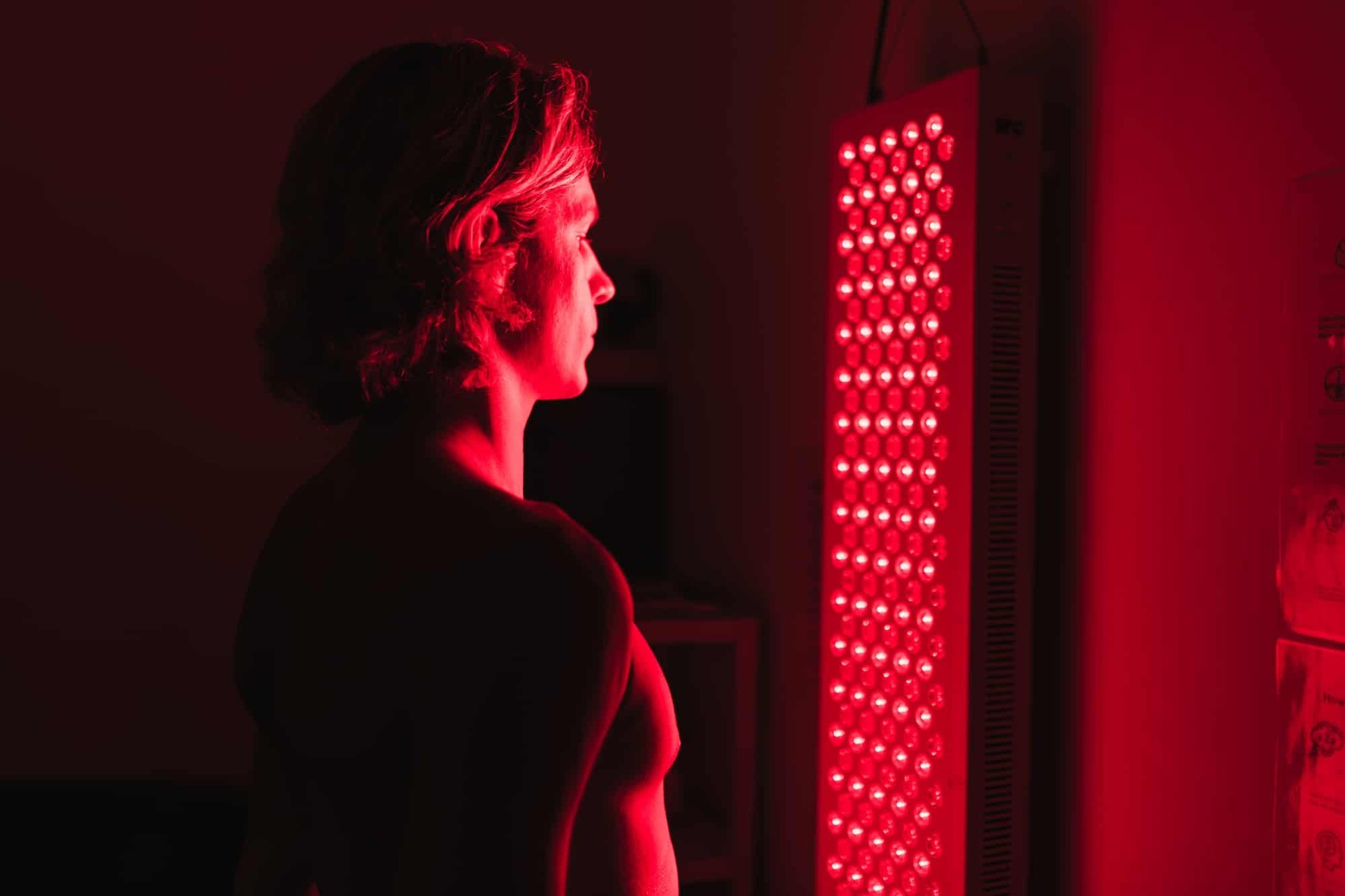
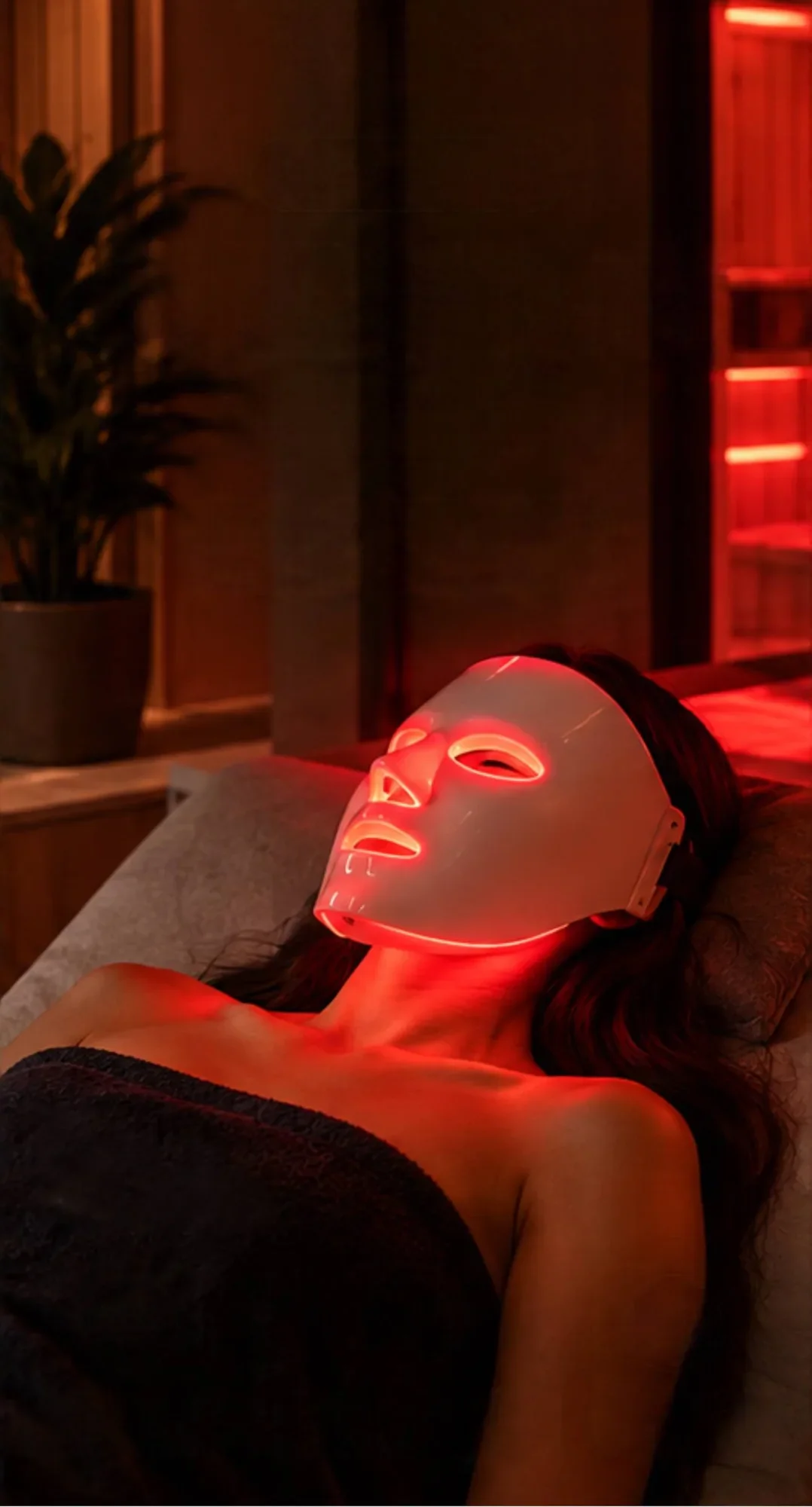
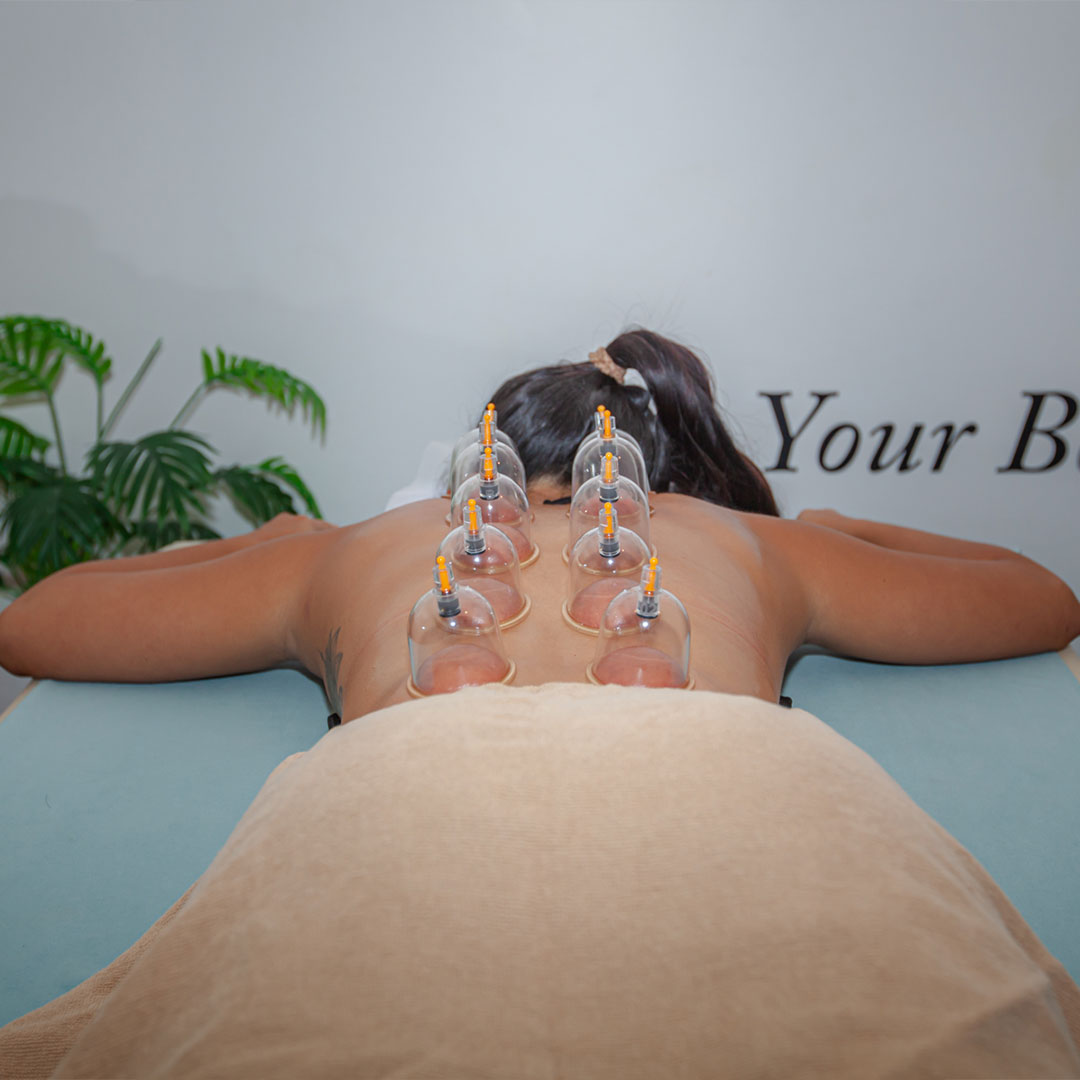
Air cupping can ease specific tight areas. Red light therapy has some promising studies on muscle recovery, but results are mixed; see red light therapy for muscle recovery for an honest overview.
What does not help much
Static stretching after training, and painkillers taken routinely, do little for DOMS. Regular use of anti-inflammatory drugs around training is not recommended without medical advice.
Should you train with DOMS?
Yes, lightly. Train other muscle groups or do easy cardio. Avoid maximal efforts on very sore muscles, because your strength and coordination are temporarily reduced, which raises the risk of a real injury.
How to prevent DOMS next time
- Increase volume and intensity gradually, about 10% per week as a rule of thumb.
- Introduce new movements, especially eccentric ones, in small doses.
- Repeat sessions: the second time hurts much less.
- Plan recovery after your hardest sessions, as in our 12-week HYROX recovery calendar.
Feel better faster at Fast & Fit
Sore after a race, a new programme or a heavy week? At our studio on Sukhumvit 32, the combination we most often suggest for DOMS is 30 minutes of leg compression followed by a short ice bath, or infrared sauna on day two. Book your recovery session, and see our guide to the best muscle recovery treatments for athletes in Bangkok for more ideas.
Keep reading
- Playing a racket sport? See padel recovery in Bangkok.
- Short on protein? Our guide to the best protein powder in Thailand compares the main options.
FAQ
How long does DOMS last?
It usually starts 12 to 24 hours after training, peaks at 24 to 72 hours and fades within 5 to 7 days.
What is the fastest way to get rid of sore muscles?
Nothing removes DOMS instantly. Sleep, protein, gentle movement, massage or leg compression and an ice bath after hard sessions help you feel better faster.
Is DOMS a sign of a good workout?
Not necessarily. It mostly shows that the session was new or much harder than usual. You can build fitness and muscle without being very sore.
Should I take an ice bath or a sauna for sore muscles?
Cold works best in the first 24 to 48 hours after hard endurance sessions. Heat feels better from day two, once you are well hydrated.