Leg Compression Therapy After Running in Bangkok
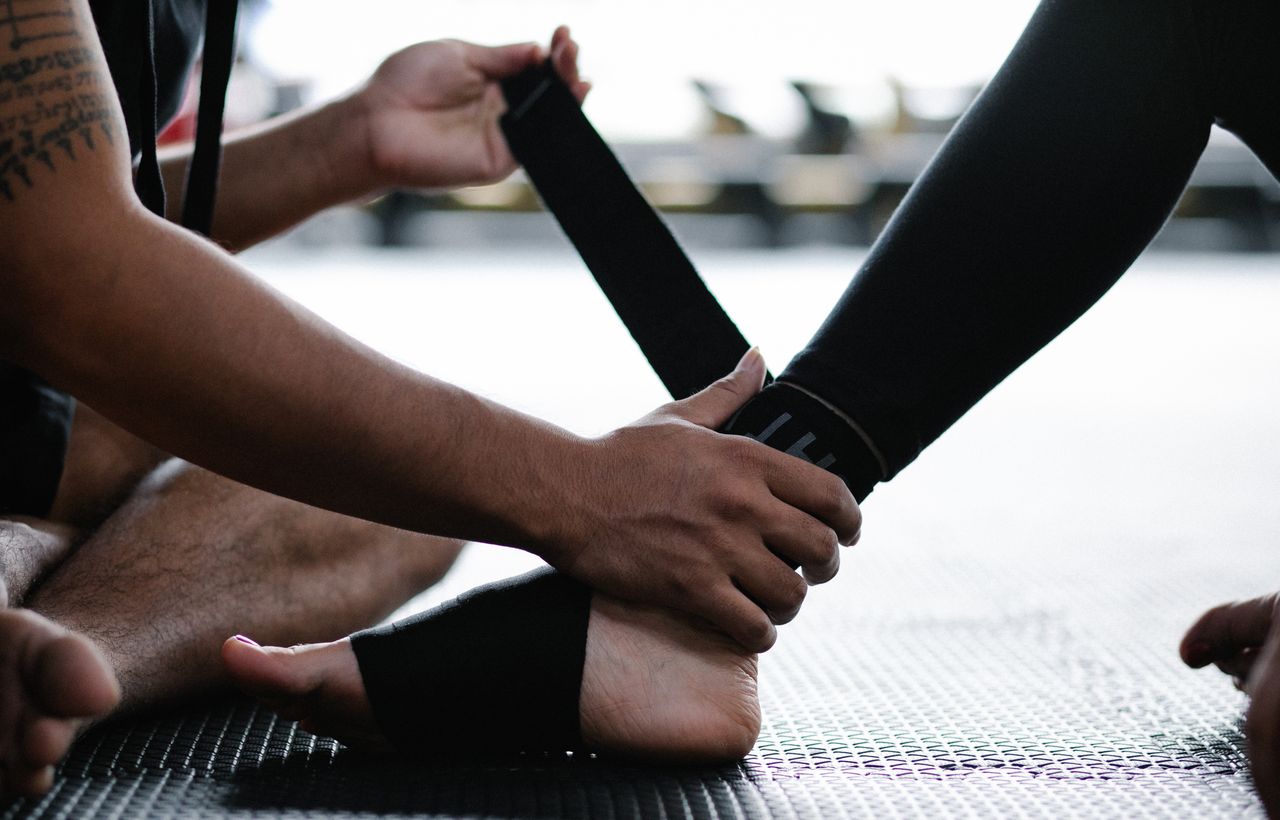
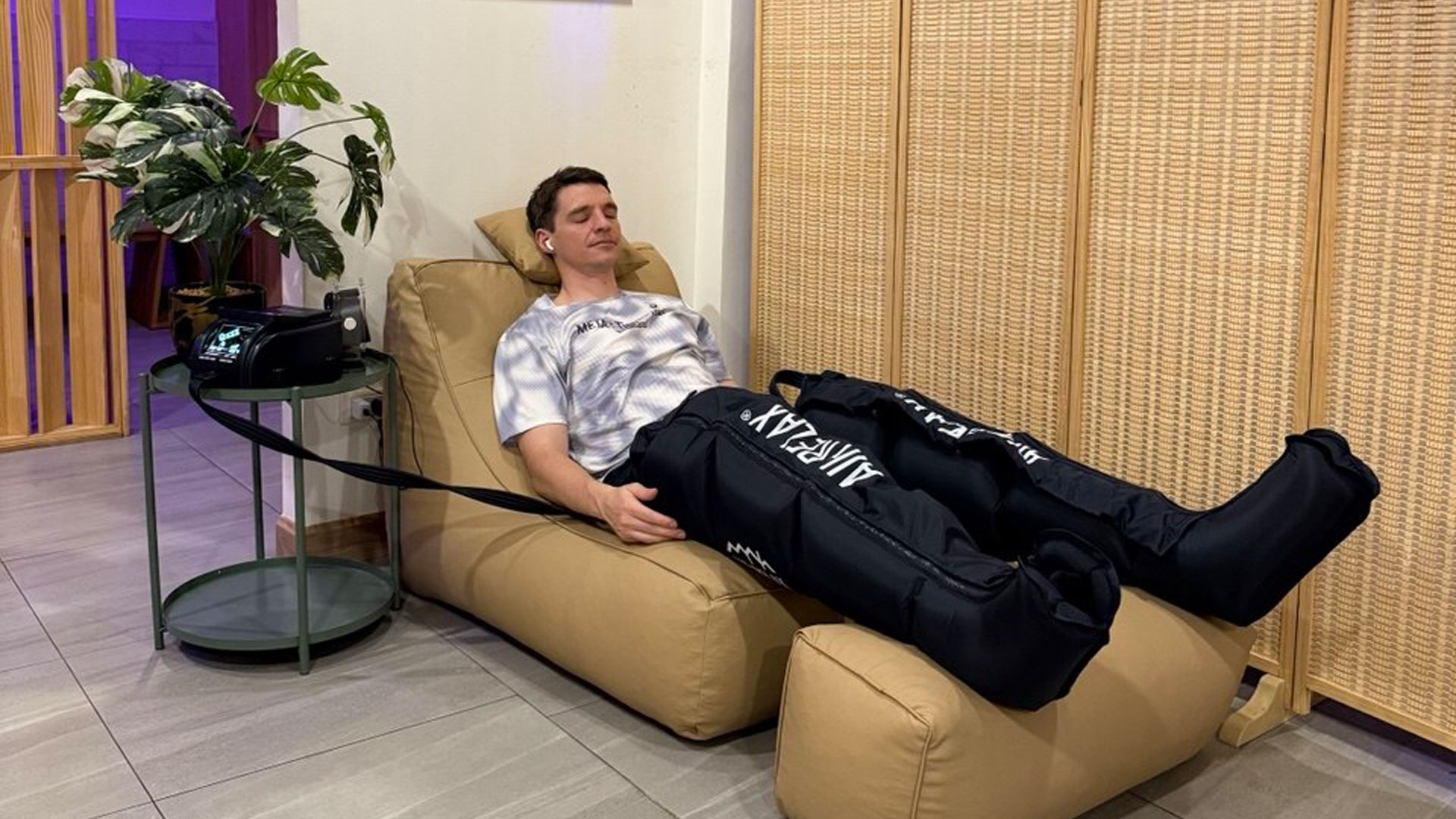
Heavy legs after a long run are one of the main reasons runners try pneumatic compression boots. Intermittent pneumatic compression uses chambers that inflate and deflate around the legs, creating cycles of external pressure while the runner sits and relaxes.
Research suggests compression may help subjective soreness or certain recovery outcomes, although results are not completely consistent. It is best viewed as a comfortable passive recovery modality rather than a guaranteed performance enhancer.
How This Fits Into a Recovery Plan
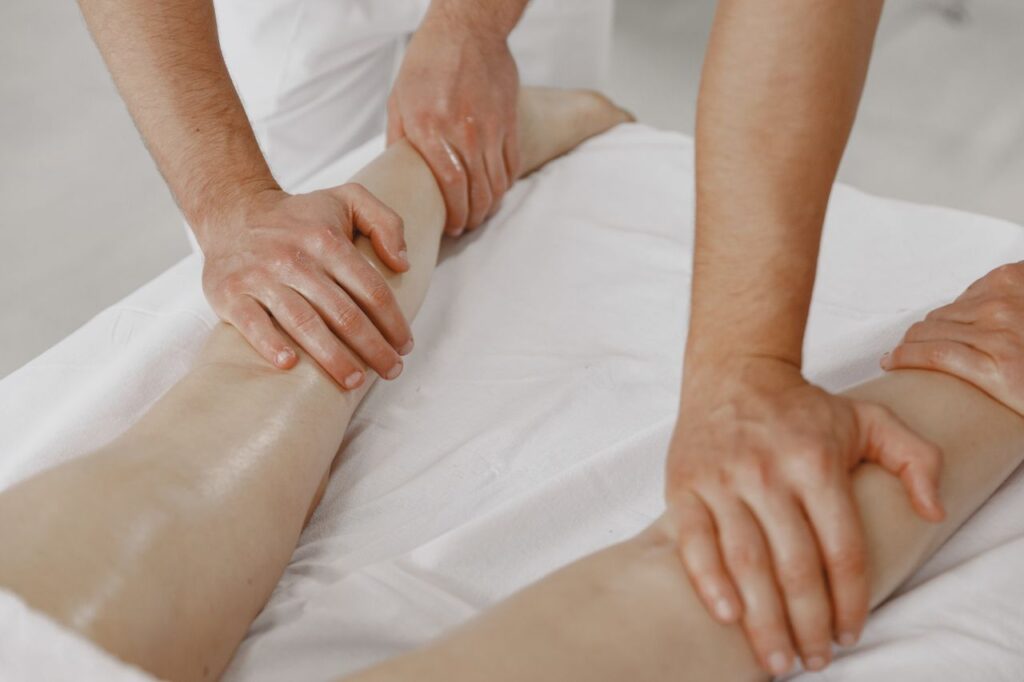
The biggest practical advantage is convenience. A runner can sit, read, answer emails or simply rest during a session. This makes compression especially attractive after long runs, interval sessions, marathons and HYROX training.
Case study: a Bangkok marathon runner completes intervals on Tuesday, tempo work on Thursday and a long run on Sunday. He does not use compression after every session.
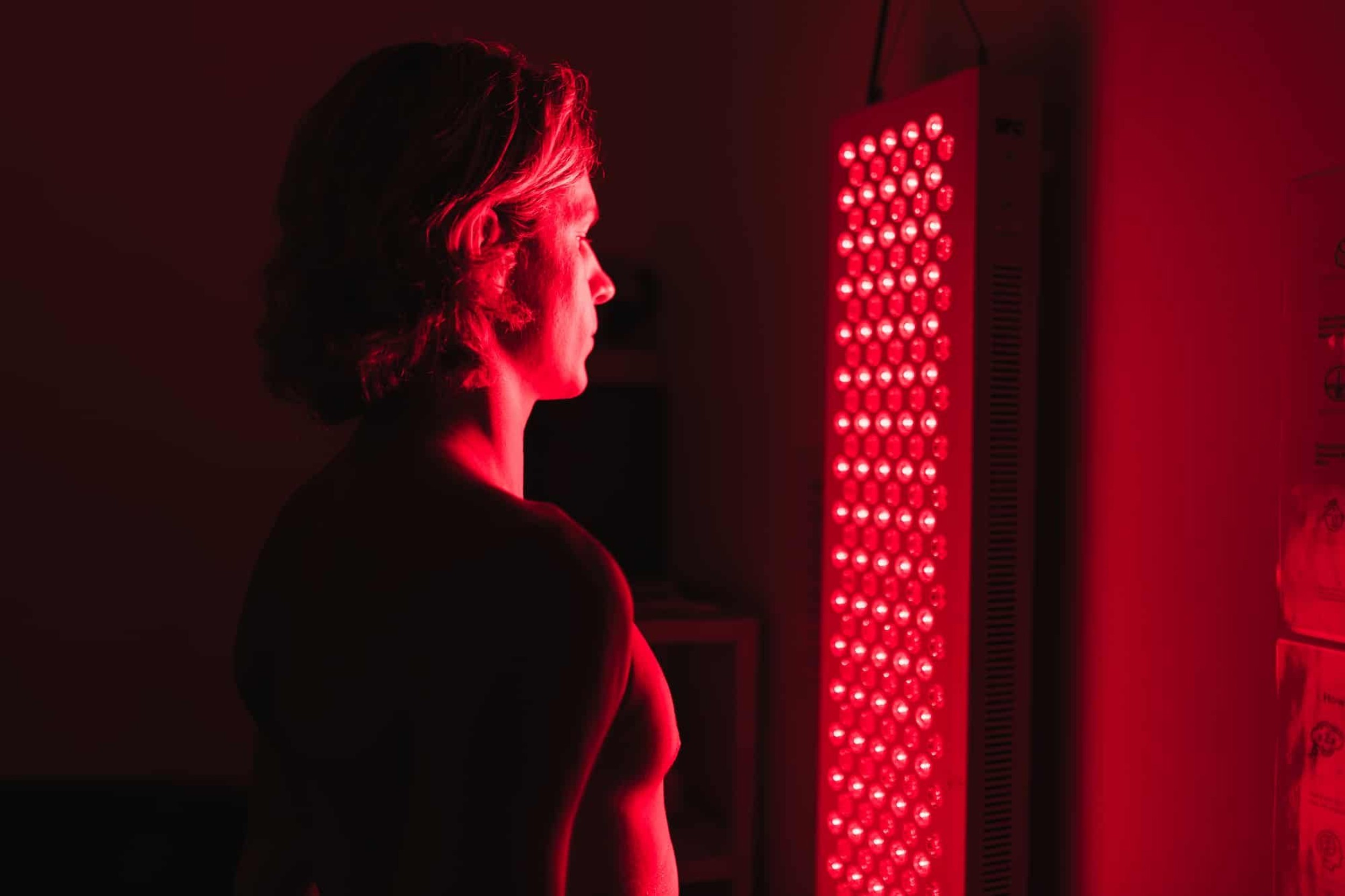
During peak mileage weeks, he books a compression session after the Sunday long run, while using cold only when soreness is especially high and red light after strength work.
Client Example at Fast & Fit
Compression can also be useful after a marathon. A simple 72-hour plan might prioritize hydration and nutrition on race day, compression on day one, red light or gentle movement on day two and a gradual return to normal activity thereafter.
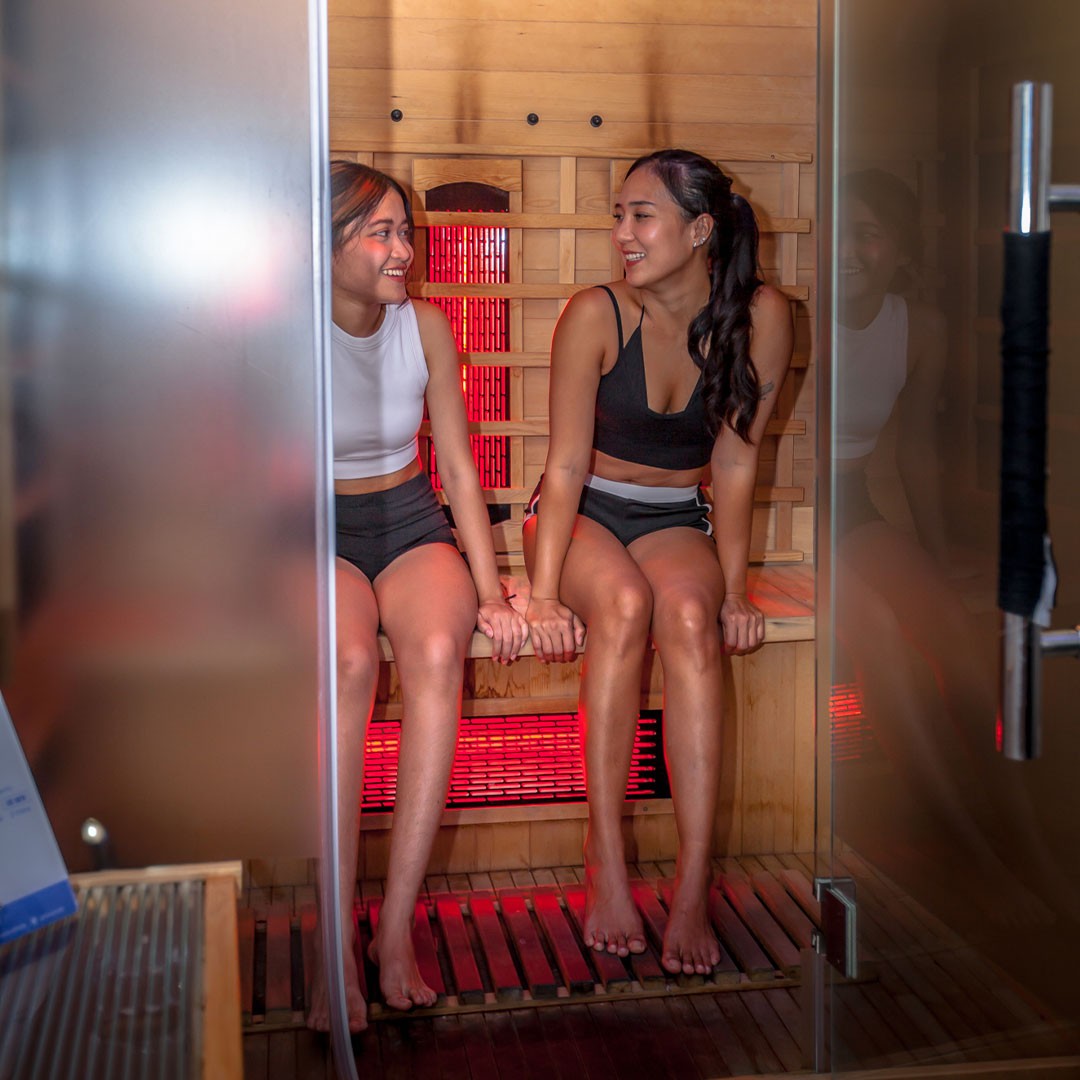
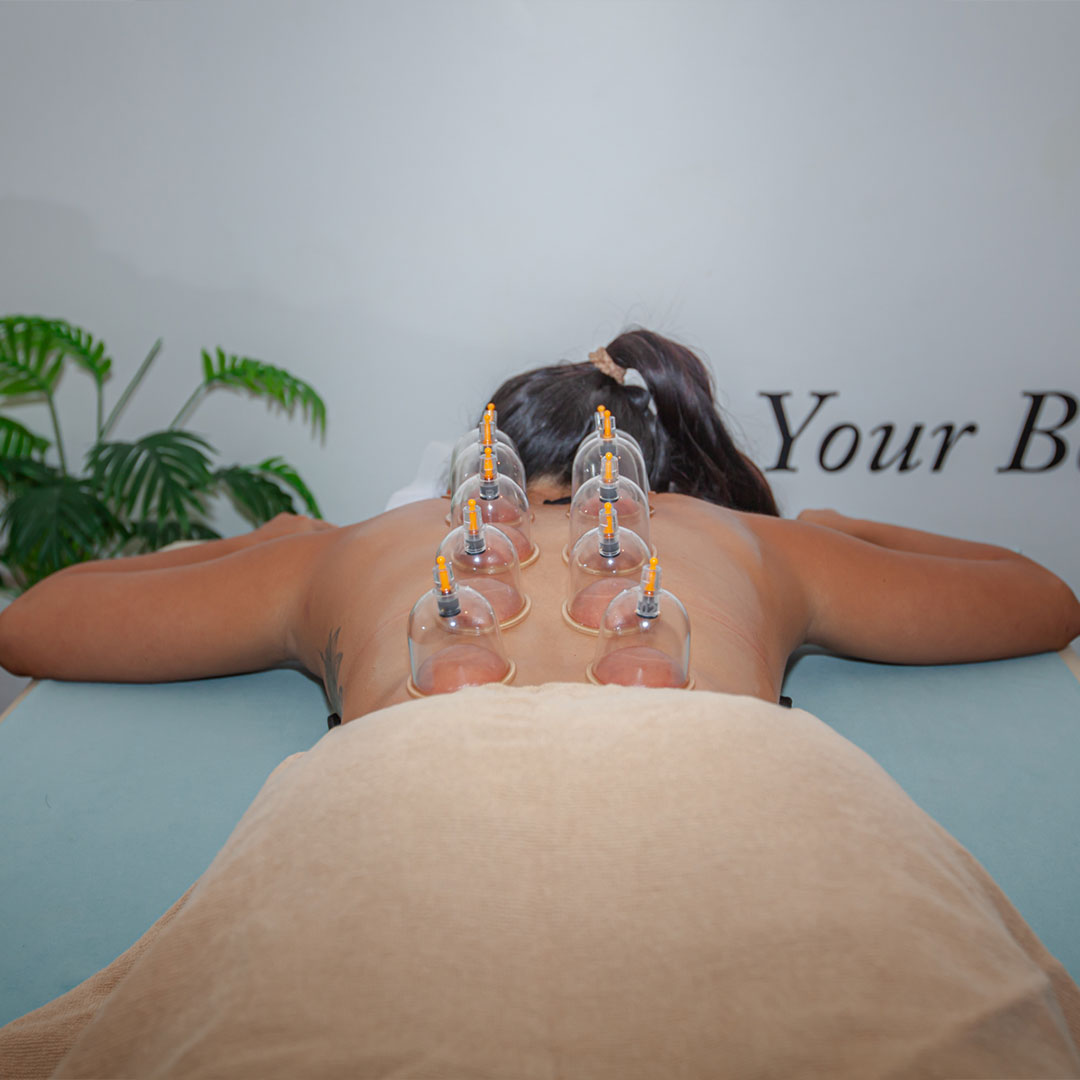
Compared with infrared sauna, compression adds no major heat stress, which can be useful after running in Bangkok conditions. Compared with cupping, it treats larger areas of the legs rather than targeting one localized area.
Fast & Fit Bangkok
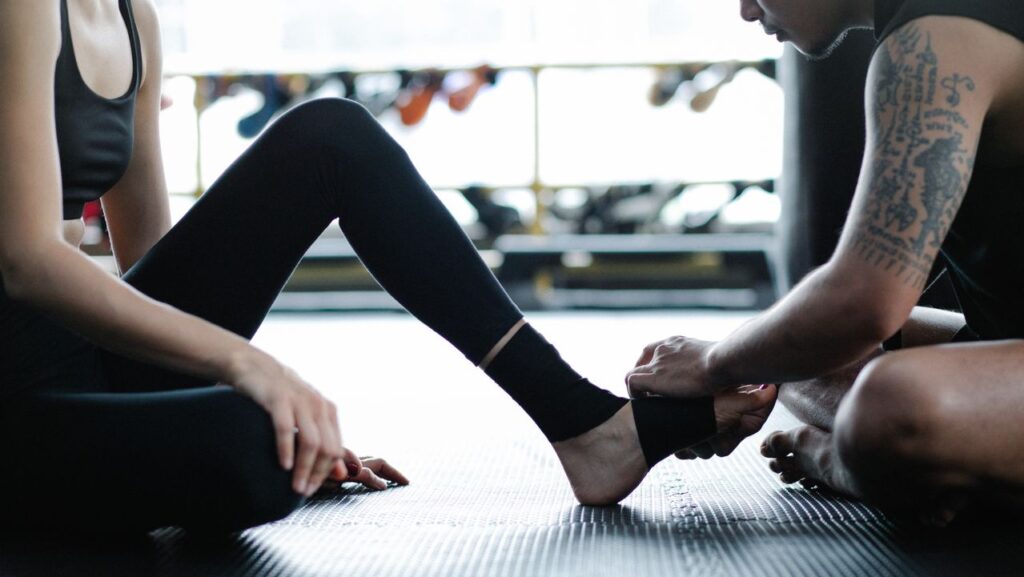
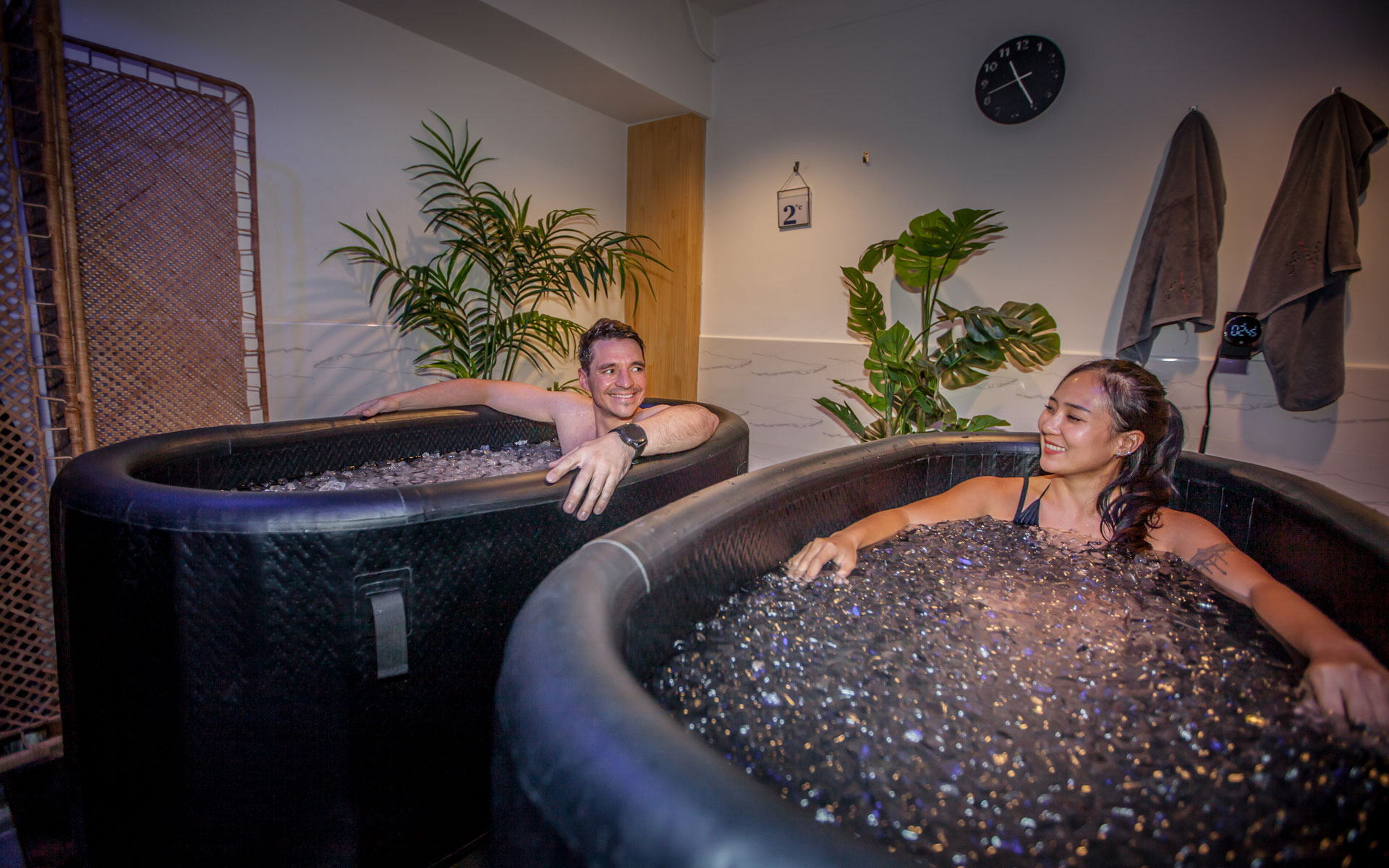
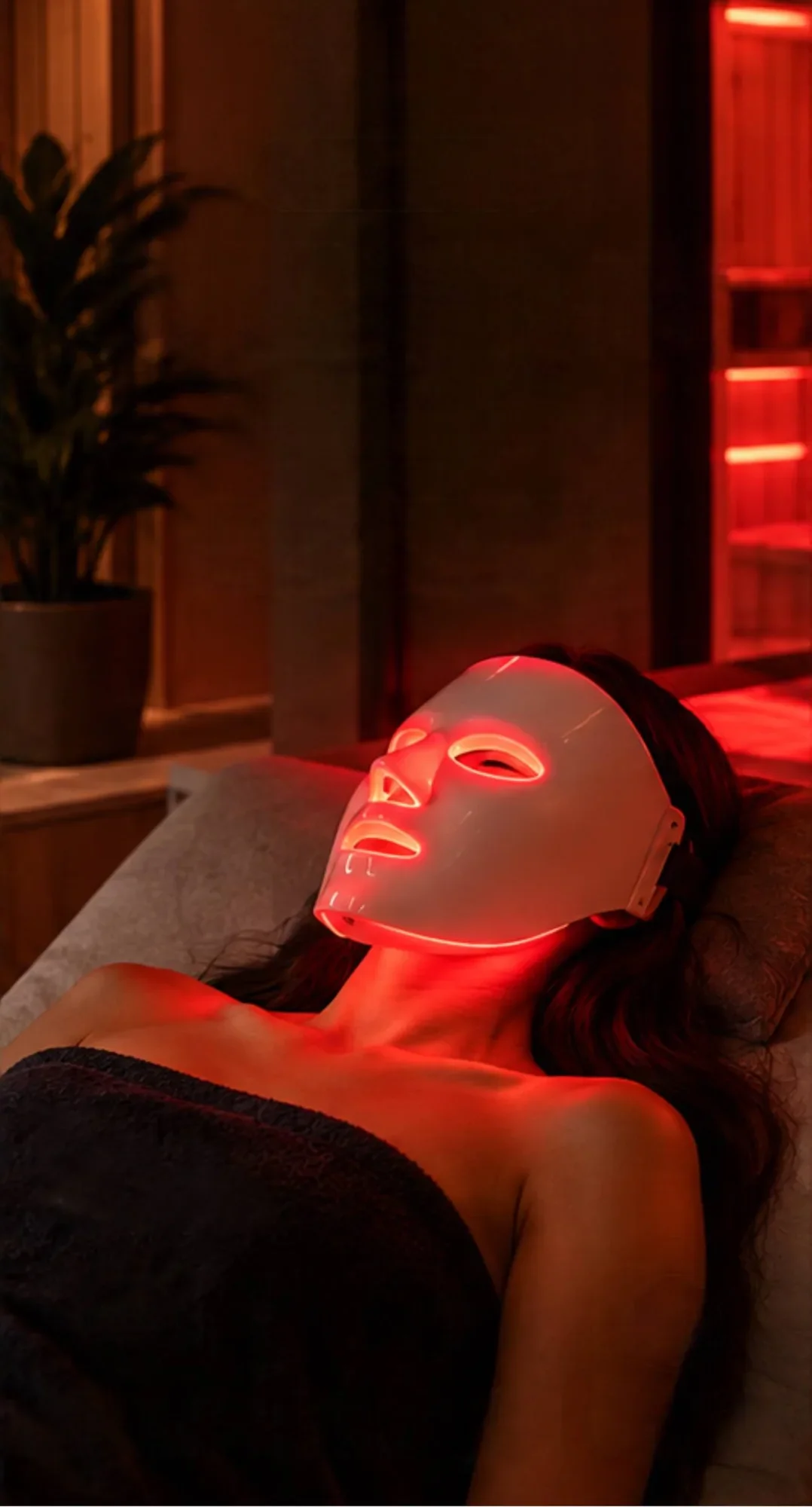
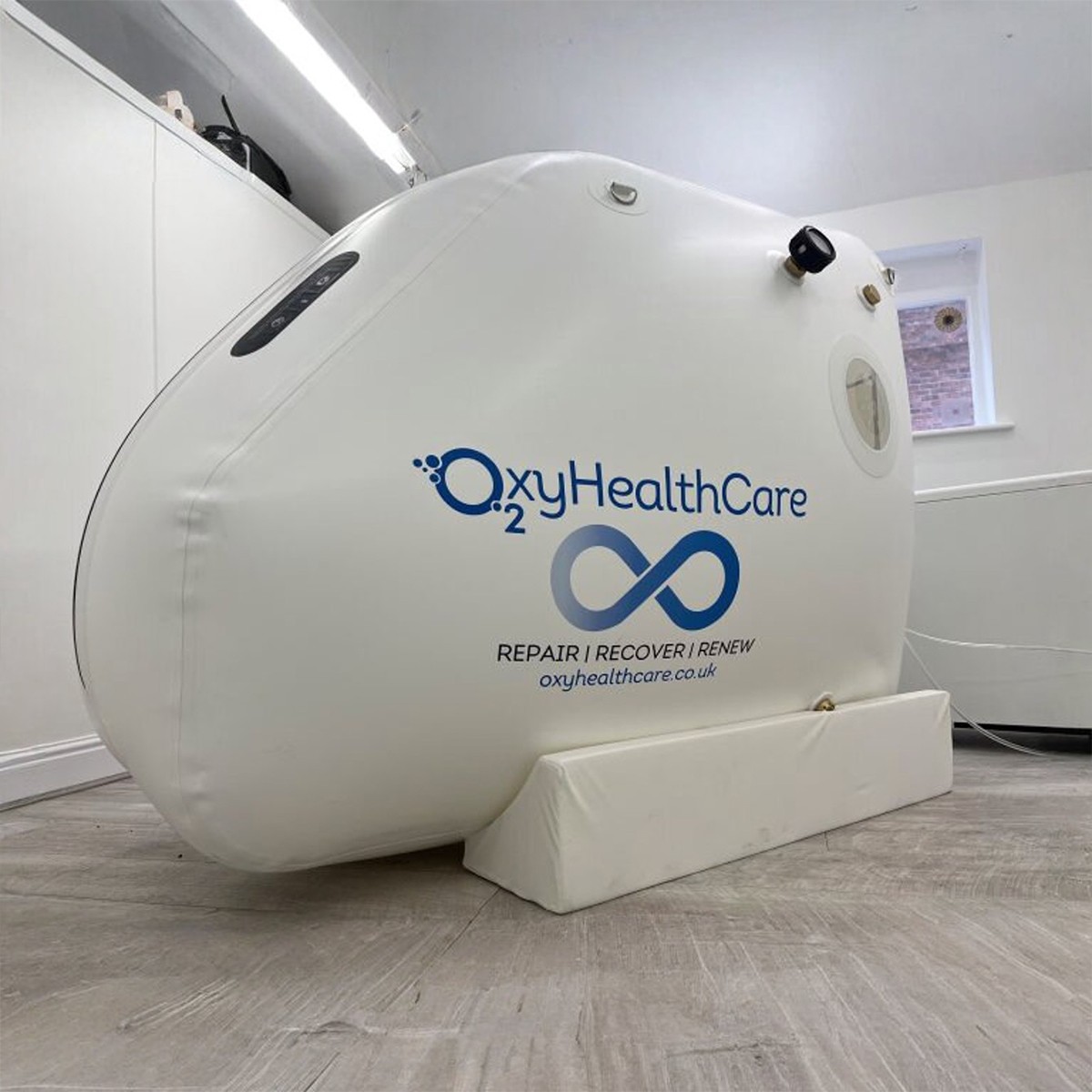
Fast & Fit offers dedicated leg compression therapy in Sukhumvit 32 alongside ice bath, infrared sauna, red light therapy, air cupping and soft hyperbaric oxygen.
Compression cannot replace rest, sleep, nutrition or sensible training. Persistent sharp pain, swelling or worsening symptoms should be assessed rather than hidden with recovery treatments.
FAQ
How often should I use this recovery treatment?
Frequency depends on training load, goals, tolerance and the type of treatment. Recovery should support training rather than replace sleep, hydration, nutrition and sensible programming.
Can recovery treatments replace medical care?
No. Persistent, sharp or worsening pain should be assessed by an appropriate healthcare professional.
Where is Fast & Fit located?
Fast & Fit is located in Sukhumvit 32, Bangkok, and offers multiple sports-recovery modalities in one center.