


Welcome to Fast & Fit, your premier destination for high-performance recovery and total body well-being. If you’re looking to recover smarter and feel stronger after every workout, you’re in the right place. We’ve all experienced that moment when pushing through another workout feels impossible because our bodies are still screaming from yesterday’s session.
The truth is, gym recovery represents half of your fitness equation, yet most athletes spend countless hours perfecting their training while neglecting the crucial repair phase. At Fast & Fit, we specialize in serving a premium clientele seeking elite well-being and faster recovery after workouts.
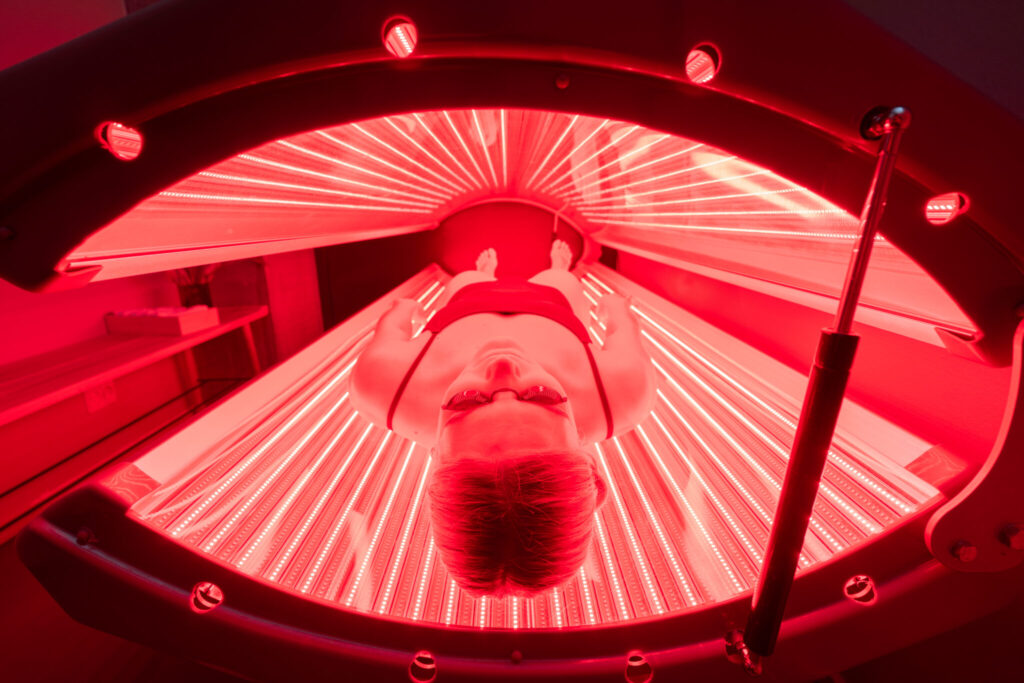
Whether you are looking for Red Light Therapy or our signature thermal therapies, we provide the tools necessary to keep you performing at your peak. Through years of working with high-performance athletes and weekend warriors alike, we’ve discovered that strategic recovery protocols can dramatically accelerate your progress and prevent the burnout that derails so many fitness journeys.
Research published in the Journal of Applied Physiology in March 2019 revealed that proper recovery techniques can reduce muscle soreness by up to 47% while improving subsequent performance markers.
These numbers aren’t just statistics; they represent the difference between plateauing and breaking through to your next level. We’re about to share the evidence-based techniques that transform recovery from an afterthought into your secret weapon.
If you want to speed up your recovery with a private, premium experience, we invite you to contact us or book your next session at Fast & Fit today.

Understanding the science behind muscle repair and adaptation
When we lift weights or push through intense cardio sessions, we’re creating microscopic tears in our muscle fibers. This sounds alarming, but it’s actually the foundation of how we grow stronger. The magic happens during rest, not during the workout itself.
Your body responds to this stress by rebuilding these fibers thicker and more resilient than before, a process called muscle protein synthesis that peaks within 24 to 48 hours post-exercise.
What many people misunderstand is that recovery encompasses multiple physiological systems working simultaneously. Your nervous system needs time to reset after the electrical demands of muscle contractions.
Your endocrine system must rebalance hormone levels that fluctuate during training. Meanwhile, your cardiovascular system works overtime delivering oxygen and nutrients to damaged tissues while removing metabolic waste products like lactic acid.
We’ve observed that athletes who grasp these interconnected recovery mechanisms make smarter decisions about their training frequency and intensity. The glycogen stores in your muscles, for instance, can take anywhere from 24 to 48 hours to fully replenish depending on your carbohydrate intake.
Training the same muscle groups before this restoration occurs forces your body to adapt from a depleted state, significantly limiting your performance potential and increasing injury risk.
Temperature manipulation techniques have emerged as particularly effective recovery tools. When we expose our bodies to extreme cold through a structured Ice Bath session at Fast & Fit, performed in a fully private environment, we trigger vasoconstriction that reduces inflammation and flushes out metabolic waste.
The subsequent warming phase, especially when paired with infrared sauna in a private recovery setting, brings fresh, oxygenated blood rushing back to the tissues. This contrast therapy approach has gained significant traction among serious athletes and premium wellness clients seeking faster recovery after workouts.
At Fast & Fit, we are the only studio offering a private Ice Bath and infrared sauna experience, unlike the typical open, community-style setups, making it ideal for clients who value privacy, comfort, and high-end recovery. Our Ice Bath sessions range from 400 to 600 THB and are specifically designed for a premium clientele focused on well-being and performance recovery.
Implementing active recovery strategies between training sessions
Complete rest might seem like the obvious choice after a brutal workout, but we’ve found that light movement actually accelerates recovery more effectively than lying on the couch. Active recovery works by maintaining elevated blood flow without imposing additional stress on your muscles.
This enhanced circulation delivers nutrients and removes waste products more efficiently than passive rest alone.
Here are the most effective active recovery activities we recommend :
- Swimming or water-based exercises that provide resistance while minimizing joint impact
- Easy cycling sessions at 40-50% of your maximum heart rate for 20-30 minutes
- Dynamic stretching routines focusing on major muscle groups used during training
- Yoga or mobility work that combines gentle movement with breathwork and stress reduction
- Walking at a comfortable pace while maintaining conversation-level exertion
The key distinction is keeping your heart rate in what we call the recovery zone, typically between 50-60% of your maximum. Push harder than this, and you’re adding training stress rather than facilitating repair. We’ve seen countless athletes make this mistake, turning their “easy” days into moderate workouts that prevent full recovery.
Timing matters significantly with active recovery. We recommend implementing these lighter sessions approximately 6-12 hours after your main workout, or on designated rest days between intense training blocks.
This strategic placement maximizes blood flow benefits when your muscles need them most while still allowing adequate rest for the deeper recovery processes to unfold overnight.
| Recovery method | Optimal timing | Primary benefit | Duration |
| Light cardio | 6-12 hours post-workout | Enhanced circulation | 20-30 minutes |
| Mobility work | Evening after training | Range of motion | 15-20 minutes |
| Cold immersion | Immediately post-workout | Inflammation reduction | 10-15 minutes |
| Foam rolling | Pre-bed or morning | Myofascial release | 10-15 minutes |

Optimizing your lifestyle factors for accelerated healing
Sleep quality determines recovery success more than any other single factor. During deep sleep stages, your body releases the majority of its growth hormone, the primary driver of tissue repair and muscle building.
We consistently observe that athletes getting less than seven hours of quality sleep experience diminished strength gains, slower reaction times, and increased injury rates compared to those prioritizing proper rest.
Your bedroom environment plays a crucial role in sleep quality. We recommend keeping your room temperature between 60-67°F (15-19°C), as cooler environments facilitate the natural temperature drop your body needs for deep sleep.
Eliminating blue light from screens at least one hour before bed helps your pineal gland produce adequate melatonin. Consider blackout curtains and white noise machines if environmental factors disrupt your sleep consistency.
Nutrition timing and composition directly impact how efficiently your body rebuilds damaged tissues. The post-workout window, while not as narrow as once believed, still represents a valuable opportunity to jumpstart recovery.
We advise consuming a combination of fast-digesting proteins and carbohydrates within two hours of training to maximize muscle protein synthesis and glycogen replenishment.
Hydration status affects every cellular process in your body, including the recovery mechanisms we’re targeting. Even mild dehydration of 2-3% body weight can impair performance and slow recovery markers.
We recommend drinking approximately half your body weight in ounces daily, increasing this amount on training days and in humid environments where sweat losses accelerate. Adding electrolytes becomes important when sessions exceed 60 minutes or involve significant perspiration.
Stress management techniques deserve equal attention alongside physical recovery methods. Chronic psychological stress elevates cortisol levels, which directly interferes with muscle repair and immune function.
We’ve incorporated mindfulness practices, breathing exercises, and even structured recovery sessions such as private Ice Bath and Red Light Therapy at Fast & Fit, tailored for premium clients seeking faster recovery and overall well-being after workouts into our comprehensive recovery approach.
The mind-body connection isn’t metaphysical; it’s grounded in hormonal and neurological pathways that either support or sabotage your training adaptations based on how you manage daily stressors.
Ready to recover faster, train better, and experience a private premium recovery session? Contact Fast & Fit today or book your next Ice Bath and recovery session with us.