


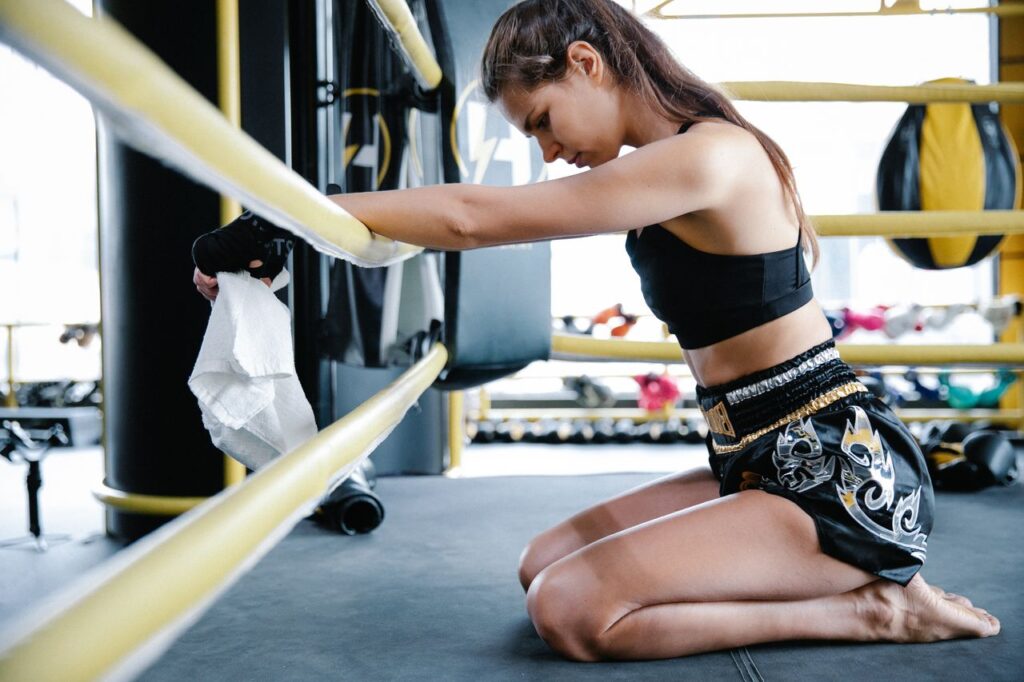
Muay Thai places stress across the whole body. Running, skipping, pad work, bag work, clinching, kicks, knees and conditioning can create fatigue in the calves, hips, quads, shoulders and back, particularly during high-frequency training camps.
Cold-water immersion can be useful after hard sparring, conditioning or long pad sessions when the priority is reducing soreness before the next session.
It does not need to be used after every workout. Strategic use is more sensible, especially when strength development is part of the athlete’s program.
How This Fits Into a Recovery Plan
Red light therapy is a good passive option after strength and power sessions. Compression can suit fighters who do a lot of roadwork and experience heavy calves.
Air cupping can be used for localized muscular tightness, while infrared sauna may fit on a lighter training day once hydration is restored.
Case study: a recreational fighter training twice daily in Bangkok began feeling progressively tighter after several days of roadwork, pad work and clinching.
His recovery plan was changed from daily ice baths to a more varied structure: compression after morning roadwork, cold after the hardest evening sessions, red light after strength work and air cupping selectively for upper-back tightness.
Client Example at Fast & Fit
The key was not adding more treatments. It was reducing unnecessary stress and matching recovery to the workload. This matters during fight camp because the priority can shift from long-term adaptation to short-term readiness as competition approaches.
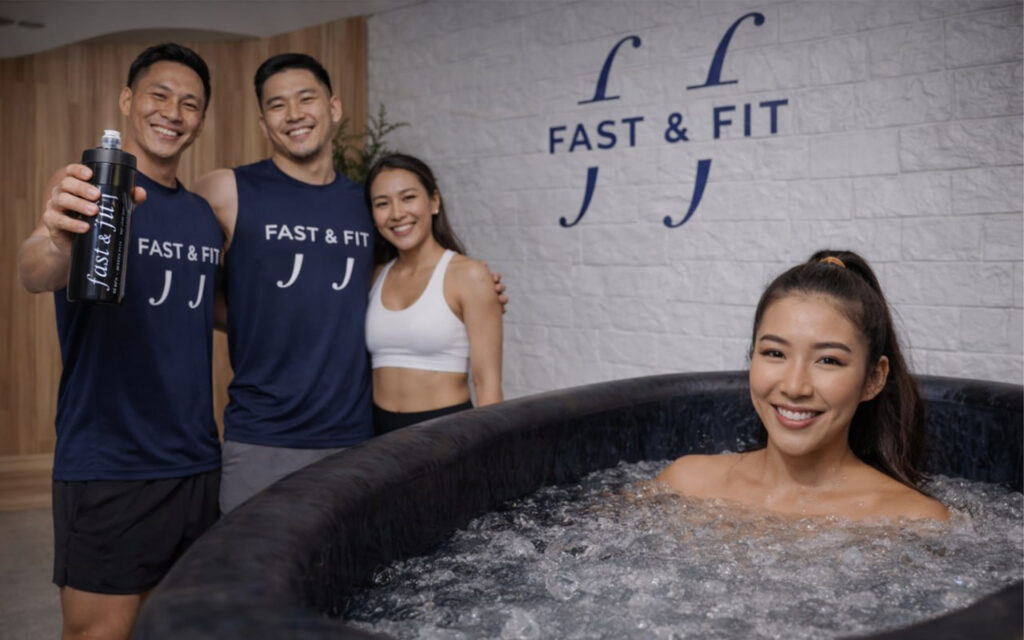
Fast & Fit Bangkok offers ice bath, infrared sauna, red light therapy, leg compression, air cupping and soft hyperbaric oxygen, making it possible for Muay Thai athletes to build a recovery routine around their actual symptoms and schedule.
Fast & Fit Bangkok
Recovery treatment should never be used to mask pain from a significant impact or suspected injury. Persistent or sharp pain should be assessed appropriately.
FAQ
How often should I use this recovery treatment?
Frequency depends on training load, goals, tolerance and the type of treatment. Recovery should support training rather than replace sleep, hydration, nutrition and sensible programming.
Can recovery treatments replace medical care?
No. Persistent, sharp or worsening pain should be assessed by an appropriate healthcare professional.
Where is Fast & Fit located?
Fast & Fit is located in Sukhumvit 32, Bangkok, and offers multiple sports-recovery modalities in one center.