


Quick answer
The main difference comes down to how each sauna heats your body. Traditional saunas heat the air around you to 180-220°F (82-104°C), while infrared saunas use infrared lamps to warm your body directly at lower temperatures of 120-150°F (49-66°C).
Both offer benefits like detoxification, improved circulation, and relaxation, but infrared saunas penetrate about 1.5 inches into your tissue for a deeper sweat at more comfortable temperatures. Fast & Fit recovery center in Bangkok’s Thong Lor district offers infrared sauna sessions starting from just 300 THB, making these science-based therapeutic treatments accessible to anyone looking to optimize their recovery.
How traditional saunas and infrared saunas actually work
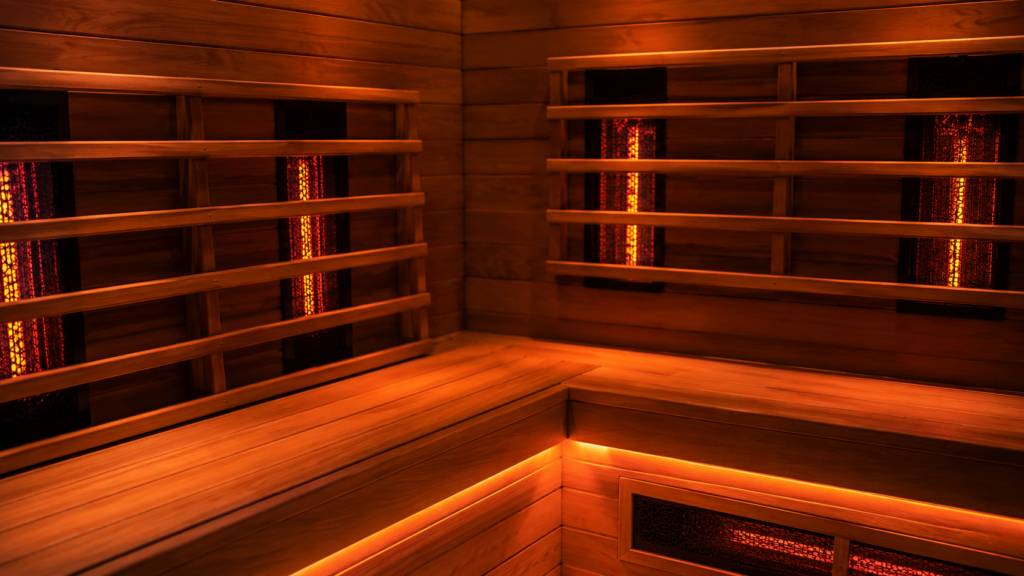
Understanding the mechanics behind each sauna type helps you choose the right fit for your wellness goals.
Traditional sauna heating method
Traditional saunas create heat by warming the air inside the room. Most use electric or wood-burning heaters with rocks that you can pour water over to create steam. This increases humidity and makes the heat feel more intense.
The room temperature typically ranges from 180-220°F (82-104°C). Your body responds to this hot environment by sweating to cool itself down. It’s an external-to-internal heating process.
Infrared sauna heating method
Infrared saunas take a completely different approach. Instead of heating the air, infrared lamps emit light waves that penetrate your skin and warm your body from the inside out.
This technology works at lower temperatures of 120-150°F (49-66°C) while still producing an intense sweat. The infrared light penetrates approximately 1.5 inches into human tissue, reaching muscles and joints more directly.
Far infrared (FIR) is the most common type you’ll encounter, though some saunas combine near (NIR) and mid (MIR) infrared for additional benefits.
Comparing the experience and benefits
| Feature | Traditional Sauna | Infrared Sauna |
| Operating temperature | 180-220°F (82-104°C) | 120-150°F (49-66°C) |
| Heating method | Heats surrounding air | Directly warms body tissue |
| Humidity | High (especially with steam) | Low |
| Warm-up time | 30-45 minutes | 10-15 minutes |
| Energy efficiency | Lower | Higher |
| Penetration depth | Surface level | Up to 1.5 inches |
| Best for | Those who enjoy intense heat | Heat-sensitive individuals |
Shared benefits of both sauna types
Both traditional and infrared saunas deliver real wellness benefits when used consistently:
- Detoxification – Sweating helps eliminate toxins through your skin, supporting your body’s natural cleansing processes
- Improved circulation – Heat exposure dilates blood vessels and increases blood flow throughout your body
- Pain relief – Warmth relaxes muscles and can reduce joint stiffness
- Stress reduction – The quiet, warm environment promotes relaxation and mental clarity
- Enhanced longevity and overall wellness – Regular sauna use supports cardiovascular health and recovery
Who prefers infrared saunas
Infrared saunas are often the better choice for people who find traditional saunas too intense. The lower operating temperatures make sessions more comfortable while still delivering a powerful sweat.
Athletes and fitness enthusiasts often choose infrared because the deep tissue penetration targets muscle recovery more effectively. If you’re looking for fast and efficient recovery solutions after intense training, infrared is worth considering.
Affordable wellness: experience premium recovery at a fraction of the cost

One of the biggest barriers to regular sauna use is cost. Many premium wellness centers in Bangkok charge upward of 1,500 THB for a single session. This makes consistent use impractical for most people.
Fast and Fit has changed that equation. Their infrared sauna sessions start from 300 THB, making science-based therapeutic treatments accessible to fitness enthusiasts, busy professionals, and anyone prioritizing their wellness.
For comparison, R3 Gaysorn charges approximately 1,500 THB for 45 minutes of similar services. Fast & Fit offers comparable or better quality at a significantly lower price point, with high-quality equipment featuring modern amenities like Bluetooth connectivity so you can enjoy your own music or podcasts during sessions.
This pricing difference means you can incorporate sauna therapy into your weekly routine without straining your budget. Consistent use delivers better results than occasional expensive sessions.
Beyond the sauna: a holistic approach to recovery and longevity
While comparing sauna types is useful, the real question is how sauna therapy fits into your overall recovery strategy. Saunas work best when combined with other modalities.
Structured treatment journeys
The Fast & Fit recovery center specializes in combining multiple science-based therapeutic treatments into comprehensive recovery programs. Their approach goes beyond isolated treatments to create synergistic benefits.
A typical structured treatment journey might include:
- Infrared sauna – 30 minutes of deep tissue warming and detoxification
- Ice bath – 15 minutes of cold exposure for inflammation reduction and circulation enhancement
- Red light therapy – Cellular-level healing and pain relief
- Air cupping therapy – Toxin elimination and immune system regulation
This combination addresses muscle recovery, inflammation, circulation, and mental clarity in a single visit. It’s the difference between a generic sauna experience and a comprehensive recovery protocol.
Convenient access to multiple modalities
Having all these services under one roof at Fast and Fit’s Thong Lor location saves time and simplifies your wellness routine. You don’t need to visit multiple facilities or coordinate separate appointments.
The spotless facilities include multiple temperature options for ice baths, letting you customize intensity based on your experience level and goals.
Your personalized path to wellness: tailored recovery at Fast & Fit
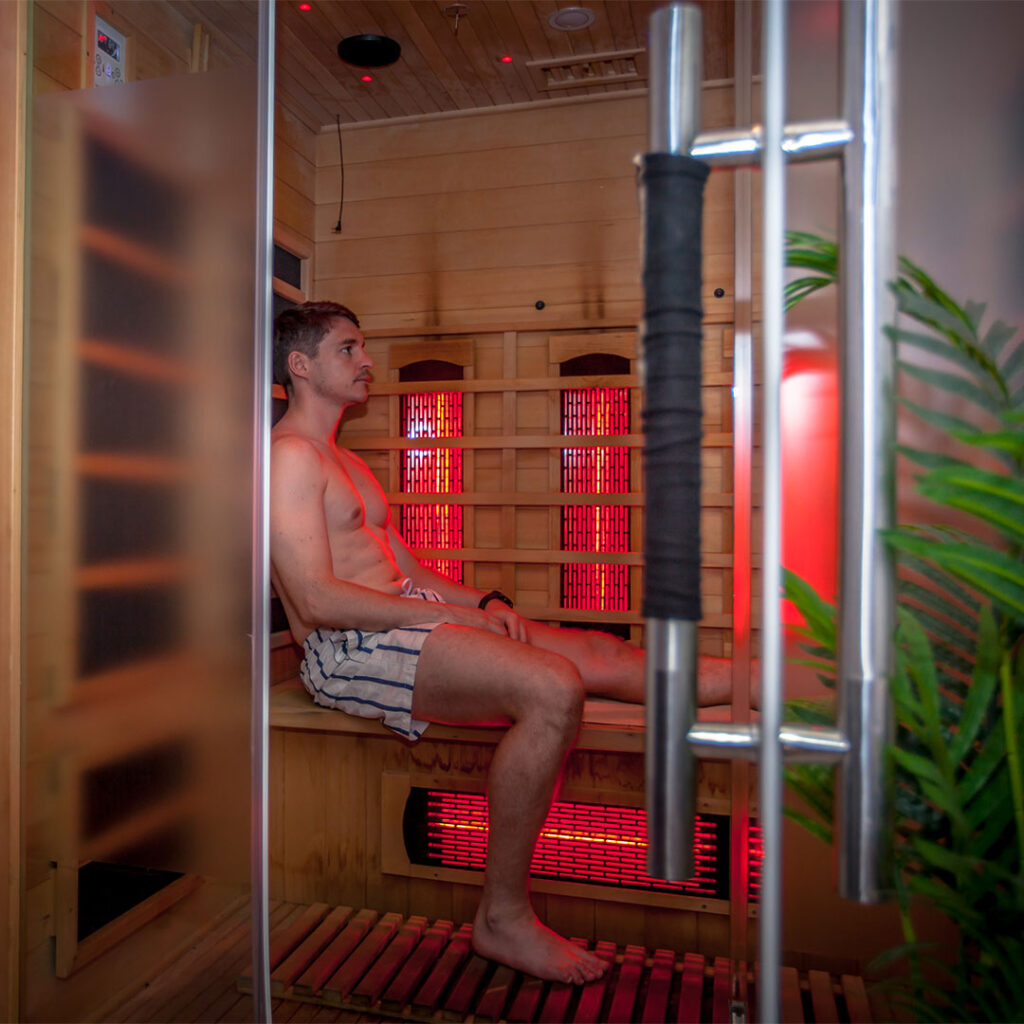
Generic sauna sessions treat everyone the same. But your recovery needs depend on your training style, stress levels, sleep quality, and individual physiology.
Individualized guidance
What separates a recovery center from a basic sauna room is the personalized guidance you receive. fastandfit staff work with clients to understand their specific goals and recommend appropriate treatments.
This extends beyond sauna selection to include:
- Nutritherapy – Science-based individualized nutrition approaches for energy and performance optimization
- Sleep consulting – Addressing recovery at its most fundamental level
- Treatment sequencing – Determining which modalities to combine and in what order
Building sustainable habits
Enhanced longevity and overall wellness come from consistent practice, not occasional visits. The combination of affordable pricing and comprehensive services makes it realistic to build sauna therapy and recovery treatments into your regular routine.
Whether you’re an athlete optimizing performance, a professional managing stress, or simply someone who values their health, having access to fast and efficient recovery solutions at accessible prices changes what’s possible.
Conclusion
Traditional saunas and infrared saunas both offer genuine wellness benefits, but they work differently. Traditional saunas heat the air to high temperatures, while infrared saunas warm your body directly at more comfortable temperatures with deeper tissue penetration. Your choice depends on your heat tolerance, specific goals, and how you plan to incorporate sauna therapy into your routine.
For the best results, consider sauna therapy as part of a broader recovery strategy rather than a standalone treatment. If you’re in Bangkok and want to experience infrared sauna alongside ice baths, red light therapy, and personalized wellness guidance, Fast & Fit’s Thong Lor location offers all of these at prices that make consistent use practical.
FAQ
What’s the main difference between infrared and traditional saunas?
Traditional saunas heat the air around you to 180-220°F, while infrared saunas use light waves to warm your body directly at lower temperatures of 120-150°F. Infrared penetrates about 1.5 inches into your tissue for a deeper effect.
Which sauna type is better for muscle recovery?
Infrared saunas are generally preferred for muscle recovery because the infrared light penetrates deeper into tissue, reaching muscles and joints more directly than surface-level heat from traditional saunas.
Are infrared saunas safe for people who don’t like intense heat?
Yes, infrared saunas are often the better choice for heat-sensitive individuals. The lower operating temperatures make sessions more comfortable while still producing an effective sweat.
How much does an infrared sauna session cost in Bangkok?
Prices vary significantly. Premium centers like R3 Gaysorn charge around 1,500 THB, while Fast & Fit recovery center offers infrared sauna sessions starting from just 300 THB.
How long should I stay in an infrared sauna?
Most sessions last between 20-45 minutes. At Fast and Fit, standard sessions run 30 minutes, which provides enough time for the infrared light to penetrate tissue and produce benefits.
Can I combine sauna therapy with other recovery treatments?
Absolutely. Combining infrared sauna with ice baths, red light therapy, or cupping creates synergistic benefits. fastandfit offers structured treatment journeys that combine multiple modalities in a single visit.
Do infrared saunas use a lot of electricity?
No, infrared saunas are more energy-efficient than traditional saunas and require less warm-up time. Most are ready to use within 10-15 minutes compared to 30-45 minutes for traditional saunas.
How often should I use a sauna for best results?
Consistency matters more than frequency. Two to three sessions per week delivers noticeable benefits for most people, which is why affordable pricing makes such a difference in achieving results.